
.2601050843591.jpg)
Homeowners across Dayton, Centerville, and the surrounding Miami Valley often compare interior painting estimates and wonder why pricing and timelines vary so widely. On the surface, painting a room may look simple. In practice, a professional interior paint job involves far more than applying color to walls.
Initial Walkthrough and Scope Definition
A professional interior paint job starts with a detailed walkthrough of the home. This is where expectations are set, and problems are identified early.
During this phase, a contractor evaluates wall conditions, ceiling height, trim profiles, existing paint types, and any visible damage. Homes in established neighborhoods around Dayton and Centerville often have multiple paint layers, older drywall repairs, or oil-based coatings that affect how the job must be handled.
The scope should clearly define which surfaces are included. Walls, ceilings, doors, trim, closets, and stairwells all require different levels of labor. Ambiguity here almost always leads to change orders or disappointment later.
Surface Preparation Is the Foundation
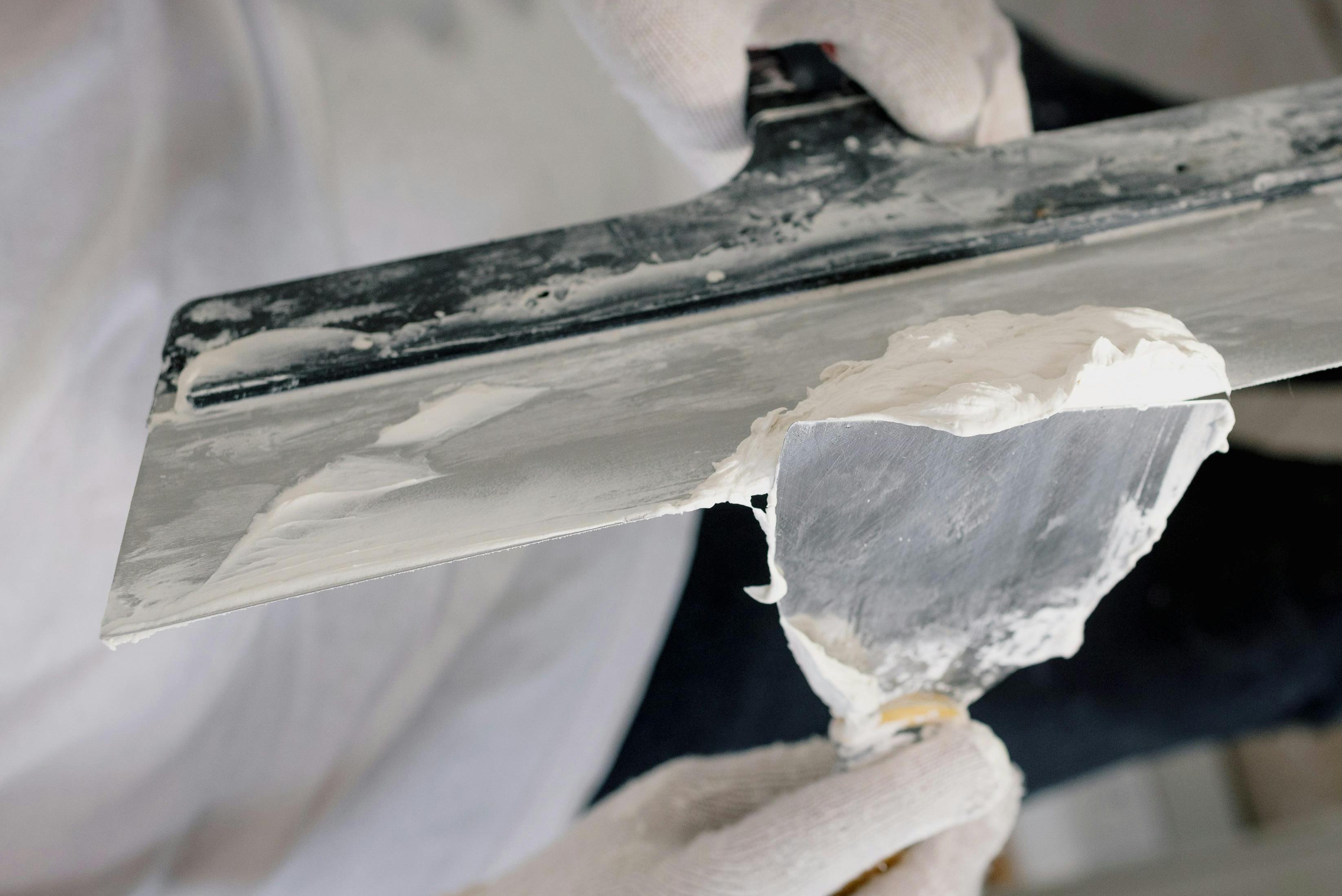
Surface preparation is the most time-consuming and labor-intensive part of interior painting. It is also the phase most often minimized in low estimates.
Professional prep typically includes repairing nail holes, cracks, and previous patchwork. Uneven textures are sanded down, glossy surfaces are scuffed, and damaged drywall is stabilized. In older Miami Valley homes, it is common to encounter flashing from prior paint jobs or mismatched textures that must be corrected before repainting.
Without proper prep, even high-quality paint will fail to perform. Visible defects, uneven sheen, and premature wear are usually signs that prep was rushed or skipped.
Protection and Masking
Before painting begins, a professional crew protects the home. Floors are covered, furniture is wrapped or moved, and fixtures are masked. Doorways, cabinets, countertops, and adjacent surfaces are carefully taped off.
Occupied homes require significantly more protection than vacant ones. In many Centerville and Kettering neighborhoods, projects take place while homeowners continue daily routines. This slows production but reduces the risk of damage and keeps the home livable throughout the project.
Priming Where Required
Primer is not optional in a professional interior paint job. It is used to create uniform porosity, improve adhesion, and block stains or color bleed.
Color changes, repaired areas, bare drywall, and previously oil painted surfaces typically require priming. Inconsistent primer use is one of the most common reasons walls look patchy after painting.
A professional scope should specify when primer will be used and on which surfaces. Spot priming and full priming are not interchangeable, and the difference affects both appearance and longevity.
Paint Application and Coats
Professional interior painting involves controlled, methodical application. Walls may be rolled, brushed, or sprayed depending on surface and layout. Trim and doors are often brushed or sprayed for a smooth finish.
Two full finish coats are standard in professional work. One coat rarely provides consistent coverage, especially with color changes or lighter shades over darker walls. When estimates do not clearly state the number of coats, corners are often cut to meet pricing.
Paint products also matter. Higher quality paints level better, resist scuffing, and maintain sheen consistency. In the Dayton market, product selection often varies based on whether the home is owner-occupied, a rental, or being prepared for sale.
Dry Time, Inspection, and Touch Ups
Professional painting does not end when the last coat is applied. Proper dry time is built into the schedule to allow coatings to cure correctly.
Once dry, the job is inspected under proper lighting. Missed areas, lap marks, or minor defects are corrected. This punch list process is critical to achieving a clean, finished look.
Rushed projects often skip this step, leaving homeowners to notice issues only after furniture is moved back or sunlight hits the walls.
Cleanup and Site Restoration
Daily and final cleanup are part of a professional job. Drop cloths are removed, masking is pulled carefully, and debris is hauled away. Floors are swept or vacuumed, and fixtures are returned to their original condition.
This step is especially important in occupied homes. A professional crew leaves the space usable at the end of each workday, not just at the end of the project.
Why Professional Interior Painting Costs More
The difference between professional work and budget painting usually comes down to time and process. Proper prep, protection, multiple coats, and detailed cleanup require skilled labor and realistic schedules.
Lower prices often reflect assumptions rather than efficiencies. Minimal prep, reduced coats, lower-grade materials, and limited touch-ups allow costs to drop, but results suffer.
Understanding what is included allows homeowners in the Miami Valley to compare estimates accurately instead of focusing on surface-level pricing.
Choosing the Right Interior Painter
When selecting an interior painter, look beyond the final number. A professional estimate should include a clear scope, defined prep work, listed paint products, and stated number of coats. Warranty terms should be straightforward and realistic.
For homeowners who want to understand how a structured process translates into consistent results, reviewing a detailed interior painting workflow can be helpful. You can see how this approach is applied locally by visiting our Interior Services page.
Final Perspective
A professional interior paint job is a sequence of deliberate steps, not a single task. Each phase builds on the one before it, and skipping any part compromises the final outcome.
For homeowners in Dayton, Centerville, and the broader Miami Valley, understanding this process leads to better decisions, clearer expectations, and results that hold up long after the paint dries.


.2601050853150.jpg)