

painting project. Those choices matter, but they are not the most important factor in how a finished paint job looks or how long it lasts.
Surface preparation has a greater impact on final results than the paint itself. In the Dayton and Centerville area, prep work is the difference between paint that holds up for years and paint that starts failing early.
This article explains what prep work actually includes, why it drives both cost and quality, and why it should be clearly defined in any painting estimate.
What Prep Work Really Means
Prep work is everything that happens before finish paint is applied. It is not a single step. It is a sequence of tasks designed to create a stable, uniform surface.
Common prep activities include:
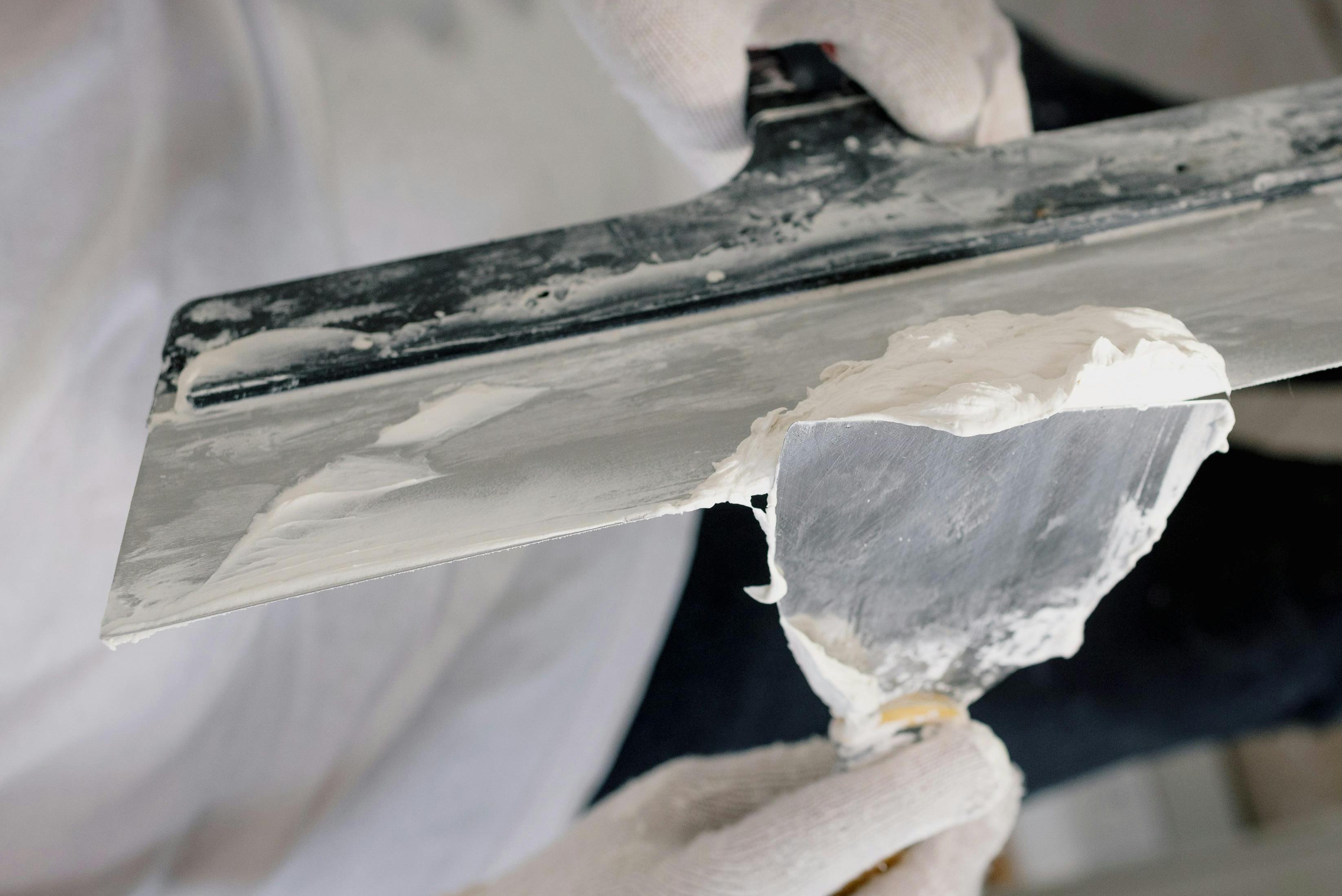
- Repairing nail holes, dents, and cracks
- Re-securing loose drywall or damaged plaster
- Sanding rough patches, roller marks, and uneven textures
- Caulking gaps at trim, corners, and joints
- Cleaning surfaces to remove dust, grease, or residue
- Priming bare or repaired areas
In many Dayton homes, especially older properties, prep work takes more time than the painting itself.
Why Paint Cannot Fix Surface Problems
Paint is a coating, not a corrective material.
If a wall has dents, flashing, uneven patches, or texture inconsistencies, paint will highlight those issues rather than hide them. Higher-quality paint often makes surface defects more visible because it levels and reflects light more consistently.
Common issues caused by poor prep include:
- Visible patch outlines
- Flashing where old repairs show through
- Rough textures under smooth finishes
- Cracking or peeling at previous failure points
Once paint is applied, fixing these problems usually requires sanding and repainting. That means more cost and more disruption.
Prep Work Is the Largest Cost Variable
In the Miami Valley market, prep work is the biggest reason estimates vary from one contractor to another.
Paint costs are relatively consistent. Labor for prep is not.
One estimate may assume minimal wall repairs. Another may include full patching, sanding, and priming. On paper, the difference may not be obvious, but the results will be.
Homes in Centerville, Kettering, and Oakwood often have:
Multiple layers of old paint
Previous repairs done poorly
Plaster or mixed wall substrates
High-visibility areas with natural light
These conditions increase prep time and labor cost. They also explain why low estimates often fall apart once work begins.
Interior Prep Work vs Exterior Prep Work
Prep matters for both interior and exterior painting, but the goals are different.
Interior Prep Work
Interior prep focuses on appearance and finish quality.
The goal is a smooth, uniform surface with no visible defects once paint dries. This is especially important in living rooms, hallways, and bedrooms where light hits walls at sharp angles.
Interior prep often includes:
- Skim coating damaged areas
- Feathering patches into existing surfaces
- Spot priming or full priming for color changes
Skipping these steps leads to uneven results, even when premium paint is used.
Exterior Prep Work
Exterior prep focuses on adhesion and protection.
Exterior surfaces in the Dayton area are exposed to moisture, temperature swings, and UV radiation. Prep work ensures paint bonds properly and does not fail prematurely.
Exterior prep often includes:
- Scraping peeling paint
- Sanding edges to prevent telegraphing
- Power washing to remove contaminants
- Priming bare wood or exposed substrates
Exterior paint failure is almost always tied to insufficient prep, not paint quality.
Prep Work and Number of Coats Go Hand in Hand
Prep work does not replace proper coating thickness.
A professional paint job should include primer where required and two full finish coats. Prep ensures those coats adhere correctly and dry evenly.
When prep is skipped, painters may try to compensate by applying heavier coats. This often leads to runs, uneven sheen, or early failure.
Clear prep standards combined with clearly defined coats are what produce consistent, durable results.
Why Prep Work Is Often Vague in Estimates
Prep work is time-consuming to document and easy to oversimplify.
Some estimates use general language such as “minor prep” or “standard surface preparation.” These phrases do not define what will actually be done.
In contrast, detailed estimates clearly describe:
What types of repairs are included
How damaged areas will be addressed
Whether sanding and priming are part of the scope
When prep is vague, expectations differ. Homeowners expect smooth walls. Contractors may assume minimal repairs. This gap is where disputes and disappointment start.
How Prep Affects Project Timing
Prep work also affects how long a project takes.
Drywall repairs and patching require drying time. Sanding and priming add steps. These tasks slow production, especially in occupied homes.
In vacant homes, prep can move faster. In lived-in homes, protection and daily cleanup add time.
Projects that rush prep often finish quickly but age poorly. Projects that allow time for proper prep produce better long-term results.
What Homeowners Should Look for in an Estimate
When comparing painting estimates in Dayton or Centerville, prep should be easy to identify.
Look for:
- Specific mention of wall repairs
- Clear description of sanding and priming
- Defined scope for trim and detailed areas
- No reliance on vague prep language
If prep is not clearly described, ask how surface defects will be handled and what level of finish to expect.
Prep Work Is the Foundation of a Paint Job
Paint brand matters. Color matters. Sheen matters.
But none of those choices can overcome poor preparation.
Prep work determines how paint looks, how it wears, and how long it lasts. In the Dayton area, where many homes have age, character, and prior repairs, prep is not optional. It is the foundation of the entire project.
Understanding this helps homeowners compare estimates accurately and make decisions based on long-term results rather than short-term price.


.2601050853150.jpg)
.2601050846563.jpg)