
When homeowners start gathering painting estimates, one question usually comes first:
“Why is there such a big price difference between quotes?”
One company quotes $4,500. Another says $8,900. Another promises they can “beat any price.”
At first glance, paint is paint… right?
Not exactly.
The truth is, a professional paint project is about much more than simply putting color on a wall. The biggest differences in pricing usually come down to preparation, materials, labor quality, communication, and long-term durability.
A cheaper quote may save money upfront - but if corners are cut, that “deal” can end up costing far more in peeling paint, failed surfaces, repairs, and having to repaint years too soon.
Let’s break down what actually goes into the cost of painting your home and why the cheapest bid is rarely the best value.
1. Preparation Is Where Quality Actually Happens
Most homeowners notice the final paint color.
Professionals know the real work happens before the first coat even goes on.
Prep work is one of the biggest differences between a quality paint job and one that starts failing within a year.
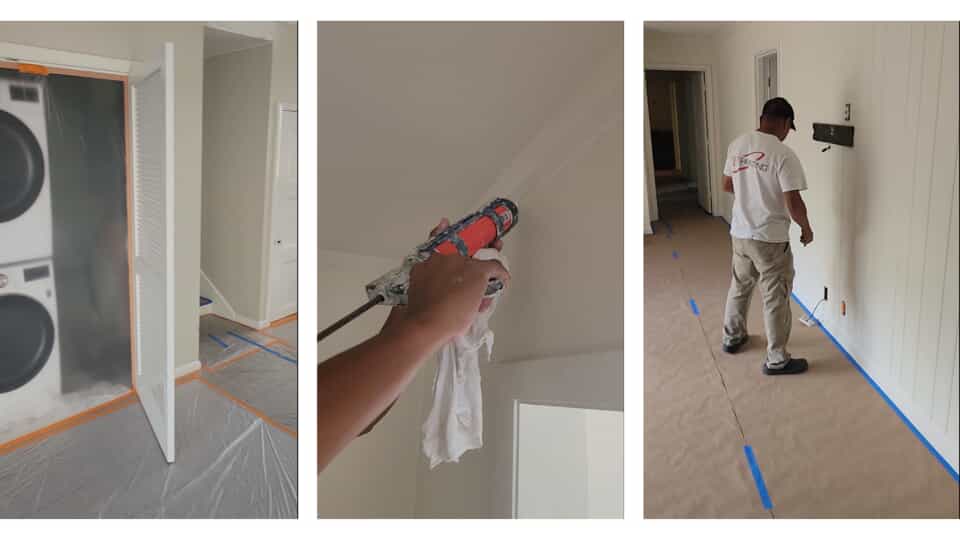
This includes:
Power washing exterior surfaces
Scraping peeling or failing paint
Sanding rough areas
Caulking cracks and gaps
Filling holes and damaged areas
Priming bare wood, stains, or repairs
Protecting landscaping, floors, furniture, and fixtures
Skipping prep saves time—and that’s exactly why some low-cost companies do it.
But paint only performs as well as the surface underneath it.
If the prep is rushed, the finish won’t last.
2. Materials Matter More Than People Think
Not all paint products are created equal.
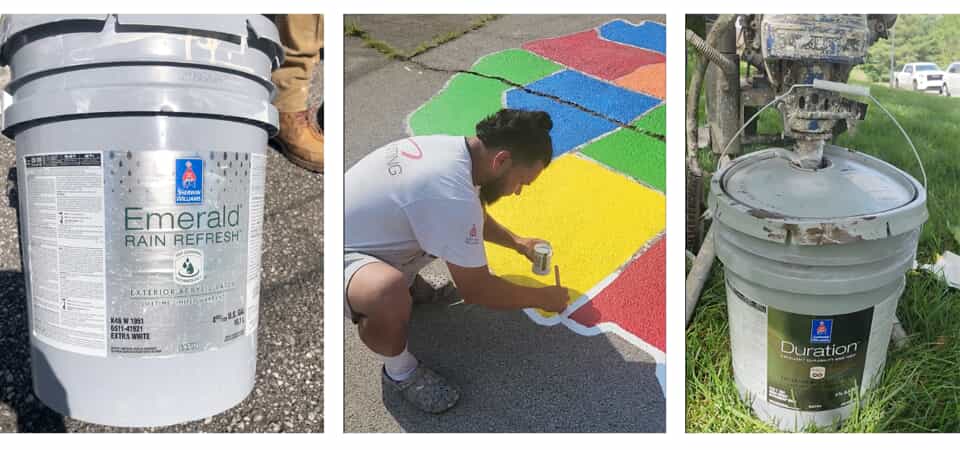
There’s a major difference between contractor grade paint and premium coatings like Sherwin-Williams Emerald, Duration, or Rain Refresh.
Higher-quality coatings offer:
Better coverage
Longer-lasting color retention
Stronger adhesion
Better moisture resistance
UV protection
Greater flexibility during weather changes
Improved washability and durability
Cheaper paint often requires more coats, fades faster, and breaks down sooner - especially on exterior surfaces exposed to Kansas weather.
A lower quote often means lower material costs hiding behind it - and unfortunately, homeowners usually don’t discover that until years later.
3. Labor Isn’t Just “People Painting”
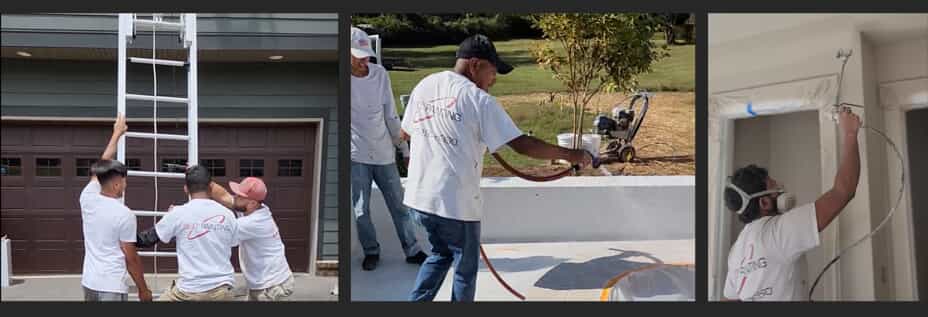
A professional crew is not just charging for time, they’re charging for skill, efficiency, consistency, and experience.
Experienced painters know:
How products perform on different surfaces
How weather impacts application
Proper dry times and recoat windows
How to prevent lap marks, flashing, and peeling
How to protect your home while working efficiently
Production rates matter too.
A rushed crew trying to finish too fast can create expensive problems.
A properly staffed, trained crew may cost more—but they also reduce delays, callbacks, and failures.
Cheap labor often becomes expensive labor later.
4. Warranty and Accountability Have Real Value
One of the biggest hidden costs of a cheap quote is what happens after the project is done.
If something goes wrong, who answers the phone?
Will they come back?
Will they stand behind the work?
Many low-cost contractors offer little to no warranty support, unclear timelines, or inconsistent communication once the check clears.
At 360° Painting, we back our work with a 2-year warranty, consistent communication, and a full team—not just one person disappearing after the job is complete.
Peace of mind matters.
And accountability is part of what you’re paying for.
5. The Cheapest Quote Often Means Paying Twice
We see this often:
A homeowner chooses the lowest bid to save money…
…and calls us 12–18 months later because the paint is already peeling, fading, cracking, or failing.
Now they’re paying for:
Surface repairs
Additional prep work
Repainting the same areas again
Lost time and frustration
That original “cheap” quote often becomes the most expensive option in the long run.
You might be surprised how many customers we’ve met this way.
And honestly -- we understand it. Prices are rising everywhere, and saving money matters. Your home is a major investment, and making smart financial decisions is important.
That’s exactly why we’re passionate about doing quality work.
We want homeowners to feel proud of their space and confident in where their money is going. Our goal is always to provide an estimate that feels fair, transparent, and trustworthy -- not confusing or inflated.
If price is the biggest factor holding you back, we’re always happy to discuss options, customize the project scope, and help prioritize where premium products matter most. For example, some homeowners may choose a higher-end coating like Sherwin-Williams Emerald Rain Refresh for siding, while selecting a more budget-friendly product for less exposed areas of the exterior.
And for additional flexibility, 0% financing through GreenSky is always an option too.
6. A Good Estimate Should Feel Educational, Not Pushy
A trustworthy estimate should explain:
What products are being used
What prep work is included
How many coats are planned
What is protected during the project
Timeline expectations
Warranty coverage
Communication throughout the process
You should never feel like someone is rushing you to sign; you should feel informed. The goal isn’t just to win the job, it’s to help you make the right decision for your home.
Final Thoughts: Value Is Bigger Than Price
Painting your home is an investment in protection, curb appeal, and long term maintenance.
The goal shouldn’t be finding the cheapest quote.
It should be finding the best value.
That means skilled crews, premium materials, proper prep, honest communication, and a company that stands behind the work.
Because repainting too soon is never the cheaper option, and your home deserves better than a shortcut!
Frequently Asked Questions
Why are painting quotes so different from company to company?
The biggest differences usually come down to preparation, materials, labor quality, warranty coverage, and communication.
A lower quote often means less prep work, cheaper materials, fewer coats, or less accountability after the job is complete.
Is expensive paint really worth it?
Yes—especially for exterior painting.
Premium products like Sherwin-Williams coatings typically offer better durability, stronger adhesion, UV resistance, and longer-lasting color compared to lower-grade paint.
Cheaper paint may save money upfront but often requires repainting much sooner.
What prep work should be included in a professional paint estimate?
A quality estimate should include cleaning, scraping, sanding, caulking, patching, priming, and protecting surrounding surfaces.
Prep work is one of the most important parts of a long-lasting paint job.
Why do cheap paint jobs fail faster?
Most failures come from poor preparation, rushed labor, or low-quality materials.
Paint may look fine at first, but peeling, cracking, fading, and adhesion issues often show up much sooner when corners are cut.
How important is a warranty for a painting project?
Very important.
A warranty shows that the company stands behind its work and will address issues if they arise.
It also reflects confidence in the products, prep, and workmanship behind the project.
Should I choose the cheapest painting estimate?
Not always.
The lowest price can sometimes mean paying twice if the work fails early.
The better goal is finding the best overall value—quality work, trusted materials, strong communication, and long-term durability.
How do I know if a painting estimate is trustworthy?
A good estimate should clearly explain scope, products, prep work, number of coats, timeline, warranty, and expectations.
If the estimate feels vague or overly focused on price alone, that can be a red flag.